
In-Depth Look at Anodizing
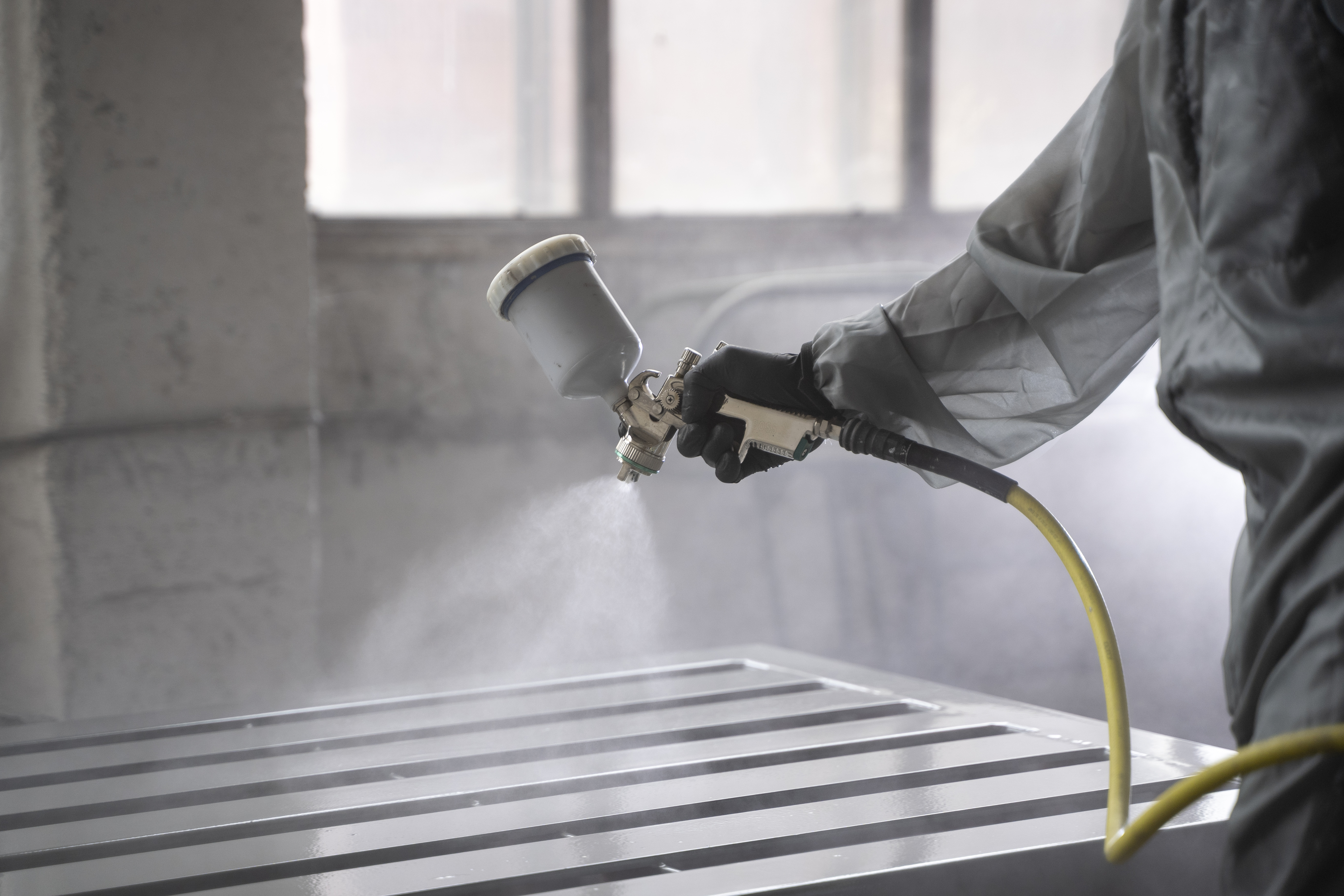
In-Depth Look at Anodizing — The Process That Makes Aluminum Stronger and More Beautiful
Aluminum is well known for being lightweight, strong, and naturally resistant to rust, but to further enhance its durability and appearance, manufacturers often use a process called anodizing. Anodizing creates a tough, corrosion-resistant, and visually appealing surface layer on aluminum, making it both stronger and more attractive.
What Is Anodizing?
Anodizing is an electrochemical process that forms a protective oxide layer on the surface of aluminum. This oxide layer is hard, durable, and permanently bonded to the metal, unlike paint or traditional coatings that can peel or chip off. The anodized layer also has microscopic pores, allowing it to absorb dyes or sealants for customized finishes in various colors — such as silver, black, gold, blue, or red.
Steps in the Anodizing Process
- Surface Preparation: Clean the aluminum thoroughly to remove dirt, oil, and contaminants — ensuring even current flow during processing.
- Acid Bath Electrolysis: Immerse the part in a sulfuric acid electrolyte bath and apply an electrical current. This causes a controlled oxidation reaction on the aluminum surface, forming the oxide layer.
- Coloring (Optional): Dyes are added into the pores of the oxide layer to produce decorative colors and finishes.
- Sealing: The pores are sealed to prevent chemical absorption and improve surface durability and corrosion resistance.
Benefits of Anodizing
- Increases surface hardness, improving scratch and impact resistance
- Prevents corrosion and rust, even in humid or harsh environments
- Customizable appearance — choose from various colors and finishes for industrial or decorative applications
- Environmentally friendly, as it does not involve hazardous chemicals
- Long-lasting performance — maintains color and quality even in outdoor use
Applications of Anodizing
- Electronic and communication components requiring smooth, corrosion-resistant surfaces
- Architectural structures and decorative materials, such as door frames, window panels, and aluminum composite panels
- Automotive and machinery parts that demand strength and durability
- Kitchenware and household products needing smooth, easy-to-clean, and elegant finishes
Conclusion
Anodizing enhances aluminum’s properties — making it stronger, more durable, and visually appealing. It’s ideal for both industrial applications that demand performance and decorative uses that require a premium look. By choosing the right anodizing process, you can extend the lifespan of aluminum components and elevate the professional image and long-term value of your products.
 Zip Metal Works Factory 1993
 122/4 Moo 1 Bangnamchued Meung Samutsakorn Samutsakorn 74000
Contact us
saleniti@zip1993.co.th
Follow Us


Our Service
News & Articles
Contact Us
Terms of Service
Privacy Policy