
Titanium Jigs
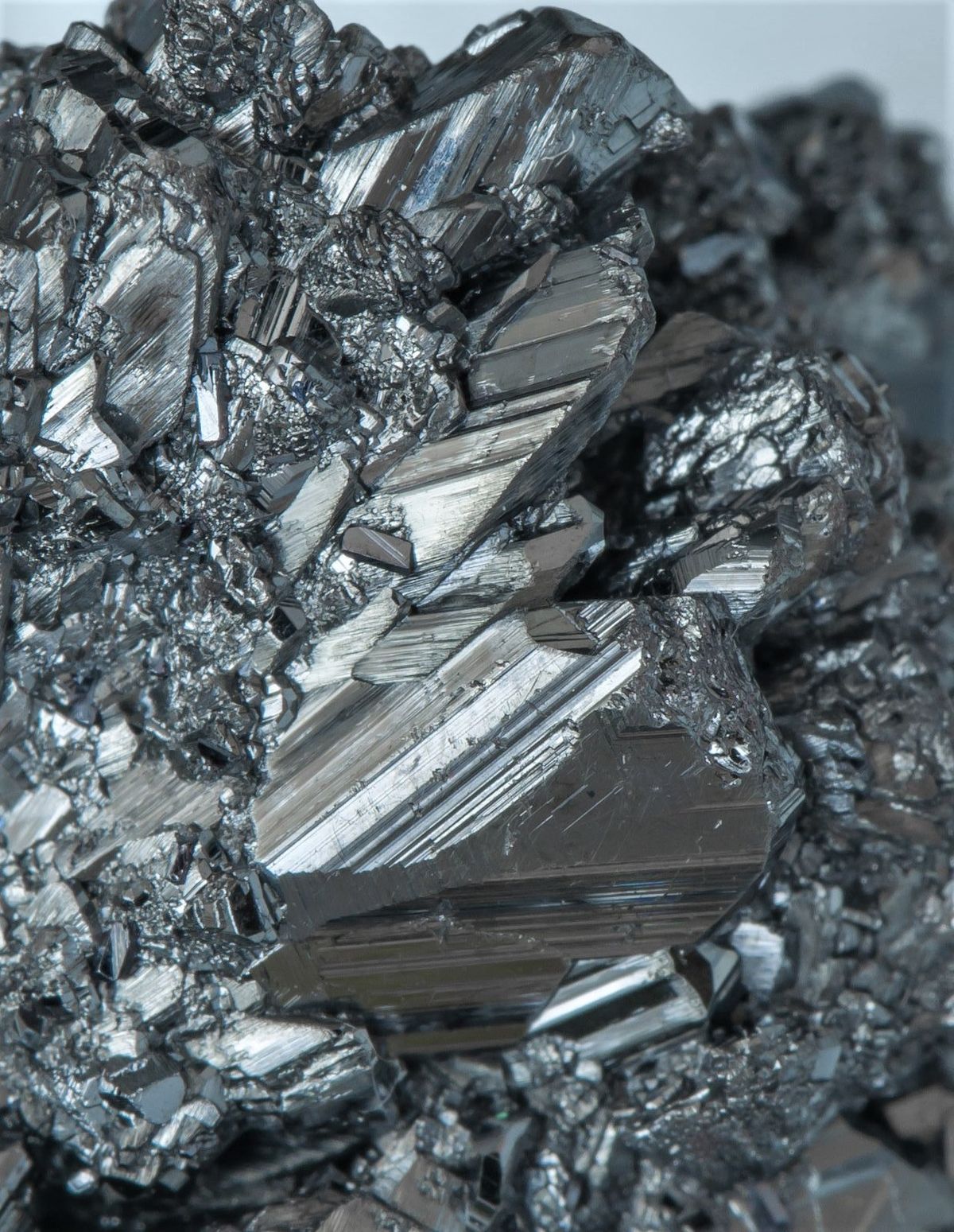
Titanium Jigs: Precision Fixtures and Current Conductors for Consistent Plating Quality
In electroplating and anodizing processes, achieving consistent and superior coating quality relies not only on bath chemistry, but also on the fixtures that secure workpieces and conduct electricity: the Plating Jig (or Rack). Among various materials, Titanium Jigs have become the industry benchmark for high-precision finishing lines.
1. Key Advantages of Titanium in Surface Finishing
Titanium possesses unique physical and electrochemical properties that make it ideal for harsh chemical environments:
- Exceptional Corrosion Resistance:
Titanium naturally forms a stable, protective oxide film, providing superior resistance against harsh acids, alkalis, and electroplating chemicals.
- High Mechanical Strength & Elasticity:
Titanium tips and spring clips maintain strong, reliable tension without permanent deformation, even under repeated loading cycles.
- Minimal Drag-out & Easy Cleaning:
Titanium surfaces do not readily trap chemicals, allowing effortless rinsing and significantly reducing cross-tank contamination.
2. Why Titanium Jigs Ensure Consistent Plating Quality
Properly engineered Titanium Jigs deliver strict process control in several critical areas:
- Stable Current Conduction & Distribution:
Engineered contact geometry ensures balanced current density across all parts on the rack, preventing burning at high current areas and under-plating at low current zones.
- Consistent Clamping Force:
The natural spring properties of titanium maintain uniform clamping pressure throughout temperature fluctuations, preventing loose contacts, part dropouts, and excessive contact marks.
- Resistance to Metal Build-up:
Unlike conventional bare copper or steel, titanium does not continuously build up heavy electroplated deposits (especially in anodizing), maintaining steady electrical contact resistance without frequent chemical stripping.
- Long Service Life & Cost Efficiency:
While the initial investment is higher, titanium’s extended service life and minimal maintenance downtime significantly lower the total cost of ownership (TCO) and maximize line throughput.
 Zip Metal Works Factory 1993


