
What Is Anodizing?
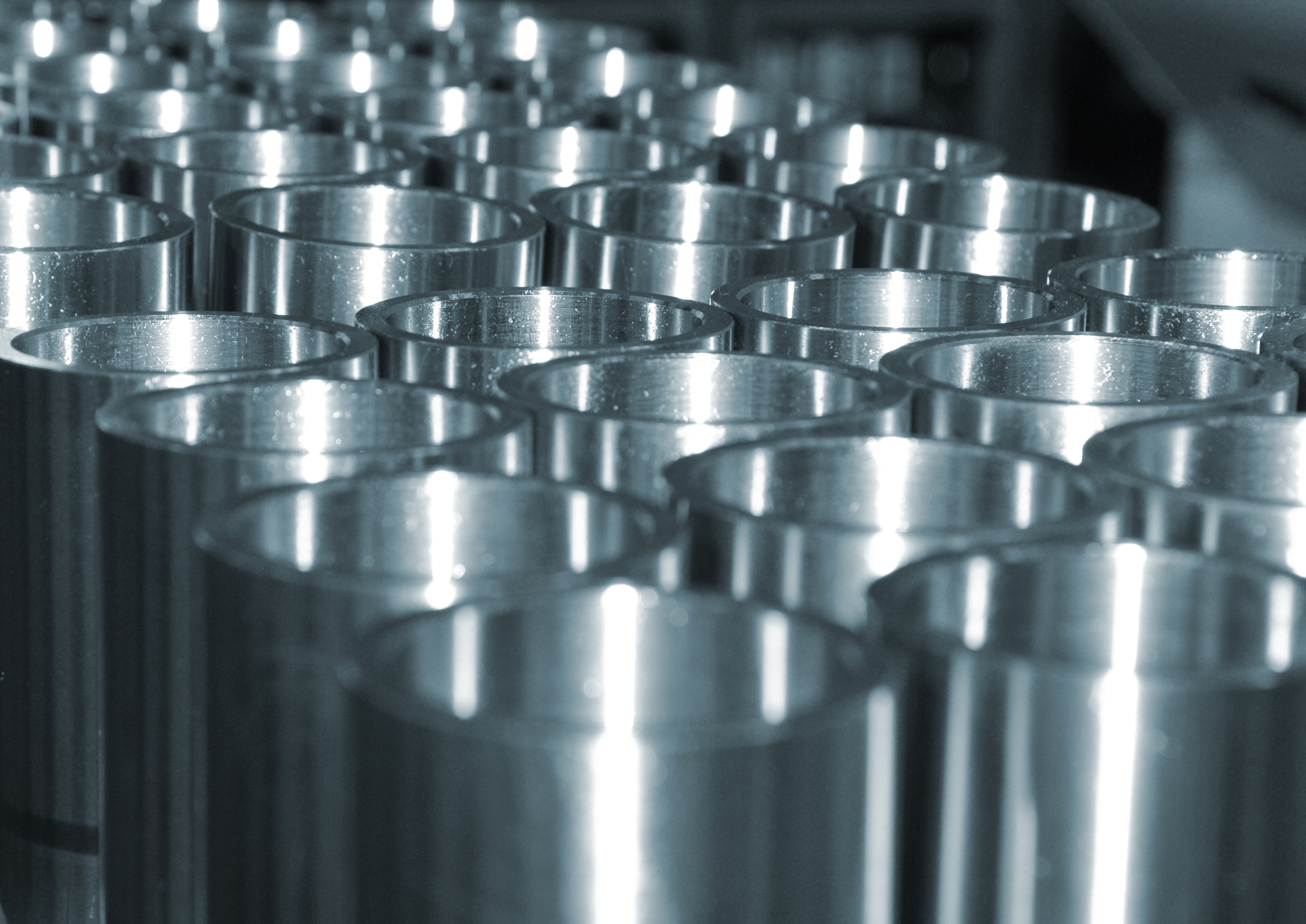
What Is Anodizing? Benefits, Limitations, and Suitable Applications
Anodizing is a surface treatment process for aluminum that enhances its strength, durability, and appearance. Through an electrochemical reaction, it forms a tightly bonded oxide layer on the metal surface, providing improved corrosion resistance, better scratch resistance, and the ability to be dyed in various colors. This makes anodizing ideal for applications that require both durability and aesthetic appeal. This article explains what anodizing is, along with its key benefits, limitations, and recommended applications.
What Is Anodizing?
Anodizing is an electrochemical process that creates an oxide layer on the surface of aluminum. This oxide film forms naturally through chemical reactions with the metal itself—unlike coatings such as paint or lacquer, which are applied externally. As a result, the anodized layer is highly durable, strongly bonded, and resistant to peeling.
The process is widely used to improve corrosion resistance, increase surface hardness, and produce aluminum surfaces that can be dyed in many colors. It is ideal for products requiring both strength and visual appeal.
Anodizing Process Steps
- Surface Preparation: Remove oils, dirt, and pre-existing oxide layers to ensure the aluminum surface is clean and ready for electrochemical treatment.
- Anodizing: Submerge the workpiece in a sulfuric acid bath and apply an electrical current to create an oxide layer on the aluminum surface.
- Coloring (Optional): Colors such as black, gold, silver, or red can be added by filling the pores of the oxide layer for decorative or functional purposes.
- Sealing: The final step seals the oxide pores to increase durability and prevent moisture or contaminants from penetrating the surface.
Benefits of Anodizing
- Enhanced Corrosion Resistance: Anodized aluminum withstands humidity, air exposure, and chemicals far better than untreated aluminum.
- Increased Surface Hardness: The oxide layer is significantly harder than raw aluminum, offering strong protection against scratches.
- Does Not Peel or Flake: Because the film is formed from the metal itself, it does not peel like painted or coated surfaces.
- Wide Range of Color Options: The surface can be dyed in various colors, making it ideal for design and decorative purposes.
- Easy Maintenance: Anodized surfaces do not rust and are easy to clean.
Limitations of Anodizing
- Suitable Only for Aluminum and Certain Alloys: It cannot be applied to steel, copper, zinc, or other metals.
- Higher Cost Compared to Regular Painting: Requires electrical power and precise control of bath conditions.
- Process Sensitivity: Inconsistent bath conditions or electrical levels may affect coating thickness and color uniformity.
- Slightly Matte Appearance: If a glossy finish is required, polishing before or after anodizing may be necessary.
Applications Suitable for Anodizing
- Architectural and Building Components: Door frames, window frames, railings, and exterior aluminum panels requiring weather and UV resistance.
- Electronic Devices: Phone bodies, laptop casings, and computer parts where aesthetics and lightweight construction are important.
- Automotive Parts: Wheel hubs, rims, and decorative components requiring durability and corrosion resistance.
- Kitchenware and Household Items: Pots, pans, and tools that need heat resistance and easy cleaning.
- General Industrial Applications: Machine parts and tools used in high-humidity environments.
Conclusion
Anodizing elevates the quality of aluminum by providing both enhanced durability and aesthetic appeal through a strong, tightly bonded oxide layer. While it has limitations in terms of applicable materials and higher costs, the benefits in strength, longevity, and appearance make it a highly worthwhile process for industrial-grade applications.
 Zip Metal Works Factory 1993
 122/4 Moo 1 Bangnamchued Meung Samutsakorn Samutsakorn 74000
Contact us
saleniti@zip1993.co.th
Follow Us


Our Service
News & Articles
Contact Us
Terms of Service
Privacy Policy