
Zinc vs Nickel vs Chrome Plating
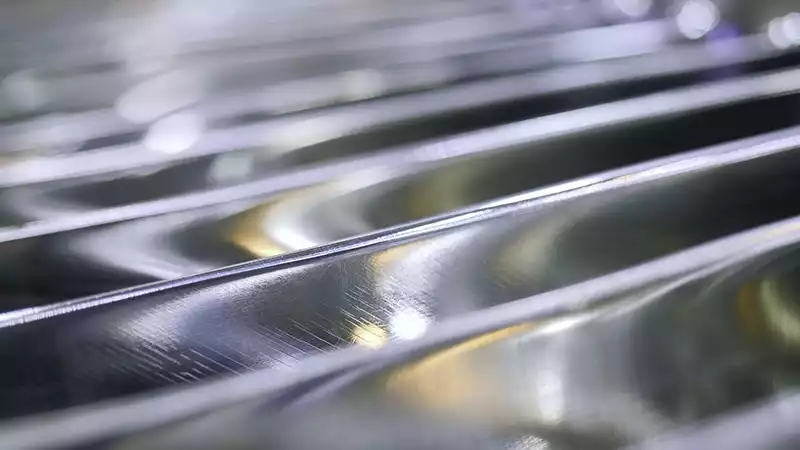
Zinc, Nickel, and Chrome Plating Compared – Which Is Right for Your Application?
In metal part production, surface plating is a crucial step that extends product lifespan, prevents rust, and enhances appearance. Choosing the right plating method directly affects both quality and cost efficiency. This article explains the differences between zinc plating, nickel plating, and chrome plating, helping you choose the most suitable process for your specific application.
Zinc Plating
Zinc plating is one of the most common methods used to prevent rust, especially for steel components such as bolts, screws, steel frames, and mechanical parts.
Zinc acts as a protective layer that prevents oxidation of the underlying metal, extending the service life of the product.
Key Advantages:
- Excellent rust prevention; ideal for outdoor or humid environments
- Low production cost — a cost-effective choice for mass production
- Available in different color finishes such as white zinc, blue zinc, or rainbow zinc
Points to Note:
- Surface gloss is lower compared to nickel or chrome plating
- If the coating is too thin, rust may form in harsh environments
Nickel Plating
Nickel plating is commonly used when a smooth, shiny, and wear-resistant surface is desired. It’s ideal for electronics, appliances, and decorative products. Nickel offers excellent hardness and strong adhesion to the base material.
Key Advantages:
- Creates a smooth, mirror-like finish suitable for high-end applications
- Enhances surface hardness and scratch resistance
- Can be applied via electroplating or electroless (chemical) plating, depending on requirements
Points to Note:
- Higher cost than zinc plating
- Requires precise process control to ensure uniform coating and strong adhesion
Chrome Plating
Chrome plating is ideal for applications that demand both a luxurious shine and exceptional durability, such as automotive parts, decorative fixtures, machinery, and industrial tools. Chrome produces a bright, mirror-like finish while offering outstanding resistance to abrasion and chemicals.
Key Advantages:
- Premium high-gloss finish that enhances product appearance
- Increases hardness and wear resistance
- Excellent resistance to high temperatures and chemical corrosion
Points to Note:
- Higher cost compared to other plating methods
- Requires highly precise equipment and processing
Choosing the Right Plating Method
- If your priority is rust protection at a low cost, zinc plating is the most economical choice for general components.
- If you need a smooth, decorative, and durable finish, nickel plating is ideal for high-quality, aesthetic applications.
- If you want a bright, durable, and premium finish, chrome plating delivers the best performance and long-lasting appeal.
Selecting the right metal plating process not only enhances durability but also boosts your product’s appearance and long-term cost efficiency.
Understanding the characteristics of each plating type helps you choose the method that best fits your needs — balancing quality, aesthetics, and value for real-world performance.
 Zip Metal Works Factory 1993
 122/4 Moo 1 Bangnamchued Meung Samutsakorn Samutsakorn 74000
Contact us
saleniti@zip1993.co.th
Follow Us


Our Service
News & Articles
Contact Us
Terms of Service
Privacy Policy