
Silver Plating vs. Tin Plating
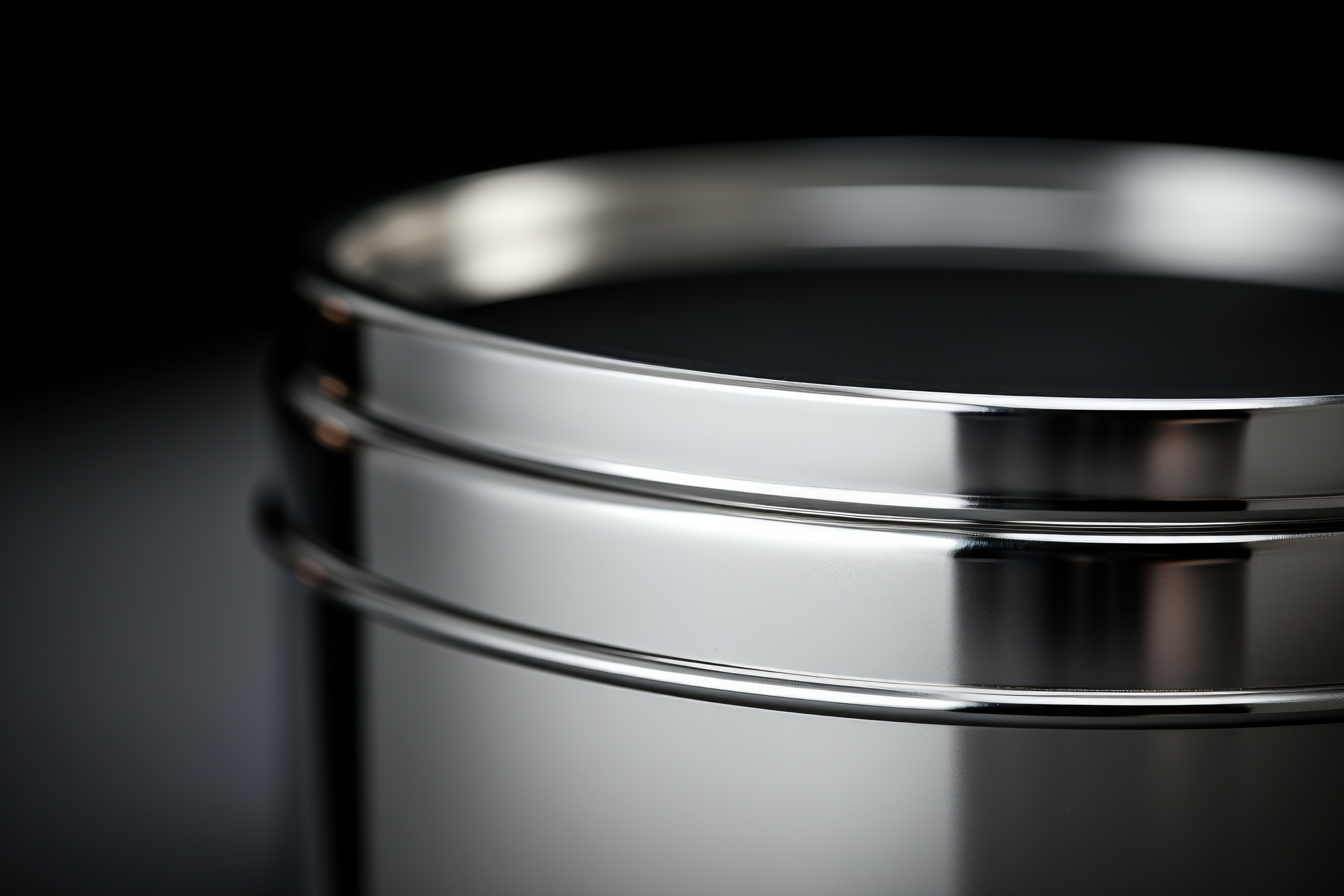
Silver Plating vs. Tin Plating: Why Many Industries Prefer Silver Plating
Metal plating is an important process for enhancing the properties of a workpiece, whether it’s for rust prevention, increased durability, electrical conductivity, or aesthetics. Silver plating and tin plating are two widely used options across various industries. While both methods offer benefits, many businesses tend to choose silver plating more often. Here’s why:
Silver Plating
Process:
Silver plating involves coating a workpiece with a layer of silver through an electrochemical process, resulting in a shiny, attractive surface and superior physical properties compared to many metals.
Key Advantages:
- Highest electrical conductivity among metals, making it ideal for electronics and electrical components
- Excellent corrosion resistance, especially in environments with sulfur or high humidity
- Enhances surface durability, reducing wear and tear
- Attractive, shiny finish suitable for both industrial and decorative applications
Common Applications:
- Electrical connectors, circuit boards, high-voltage cables
- Communication devices, telecommunications equipment, and automotive components
- Jewelry and parts requiring a polished appearance
Tin Plating
Process:
Tin plating coats a workpiece with tin, commonly used for rust prevention and oxidation protection, especially for steel and copper parts.
Key Advantages:
- Provides moderate rust protection
- Safe for food-related applications, as tin is non-toxic
- Lower cost compared to silver plating
- Easy to solder, suitable for certain electronics applications
Common Applications:
- Food packaging (e.g., cans)
- Small electronic components
- Machinery parts where cost efficiency is important
Why Many Industries Prefer Silver Plating
- Superior electrical conductivity – Silver is the best conductor, ideal for electronics and electrical systems requiring stability
- High durability – More resistant to corrosion and wear than tin, suitable for challenging environments
- Reduced energy loss – Ensures efficient current flow with minimal loss compared to other metals
- Extended equipment lifespan – Ideal for applications requiring reliability, such as telecommunications, automotive, aerospace
- Cost-effective in the long term – Although production costs are higher, maintenance and replacement costs are reduced over time
Silver plating is suitable for applications demanding high quality, electrical performance, durability, and premium appearance. Tin plating is more appropriate for cost-sensitive applications or food packaging and general-purpose parts. The choice depends on the specific needs of the industry, but for projects prioritizing quality, reliability, and long-term service life, silver plating is the most suitable option.
 Zip Metal Works Factory 1993
 122/4 Moo 1 Bangnamchued Meung Samutsakorn Samutsakorn 74000
Contact us
saleniti@zip1993.co.th
Follow Us


Our Service
News & Articles
Contact Us
Terms of Service
Privacy Policy